
 29% off
Yellow Caribbean Habanero Pepper Seeds — Extra Hot
فلفل الهابانيرو الكاريبي يُعد من أشهر وأقوى أنواع الفلفل الحار في العالم، ويتميز بلونه الذي يتدرج من…
2.500 JOD
3.500 JOD
In stock and ready to ship

0.000 JOD
 Media gallery

Enter your email address and we will contact you when the product is available again.
1.000 JOD
Read the instructions and precautions before use.
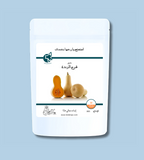
Butternut squash is a winter squash with pear-shaped fruit and smooth orange flesh rich in beta-carotene. It is used in soups, cooked dishes and desserts, with a sweet flavor and creamy texture when cooked.
Harvest 90–110 days after planting, when fruits turn beige and the skin hardens. Cut with a sharp knife, leaving part of the stem attached for longer storage.
Butternut squash provides nutritious, vitamin-rich fruit with many culinary uses. Appropriate watering, feeding and pest management support an abundant, high-quality harvest.
Complementary products to help you put your solution into practice.
29% off
فلفل الهابانيرو الكاريبي يُعد من أشهر وأقوى أنواع الفلفل الحار في العالم، ويتميز بلونه الذي يتدرج من…
 29% off
Caribbean habanero is one of the world's best-known, intensely hot peppers. Its distinctive wrinkled fruit changes from green…

 20% off
Roma Tomato Seeds Selected to produce elongated, fleshy tomatoes with few seeds, a firm texture and concentrated flavor.…
Choose the right contact to start a conversation.