
-
 Media gallery
-
 Media gallery


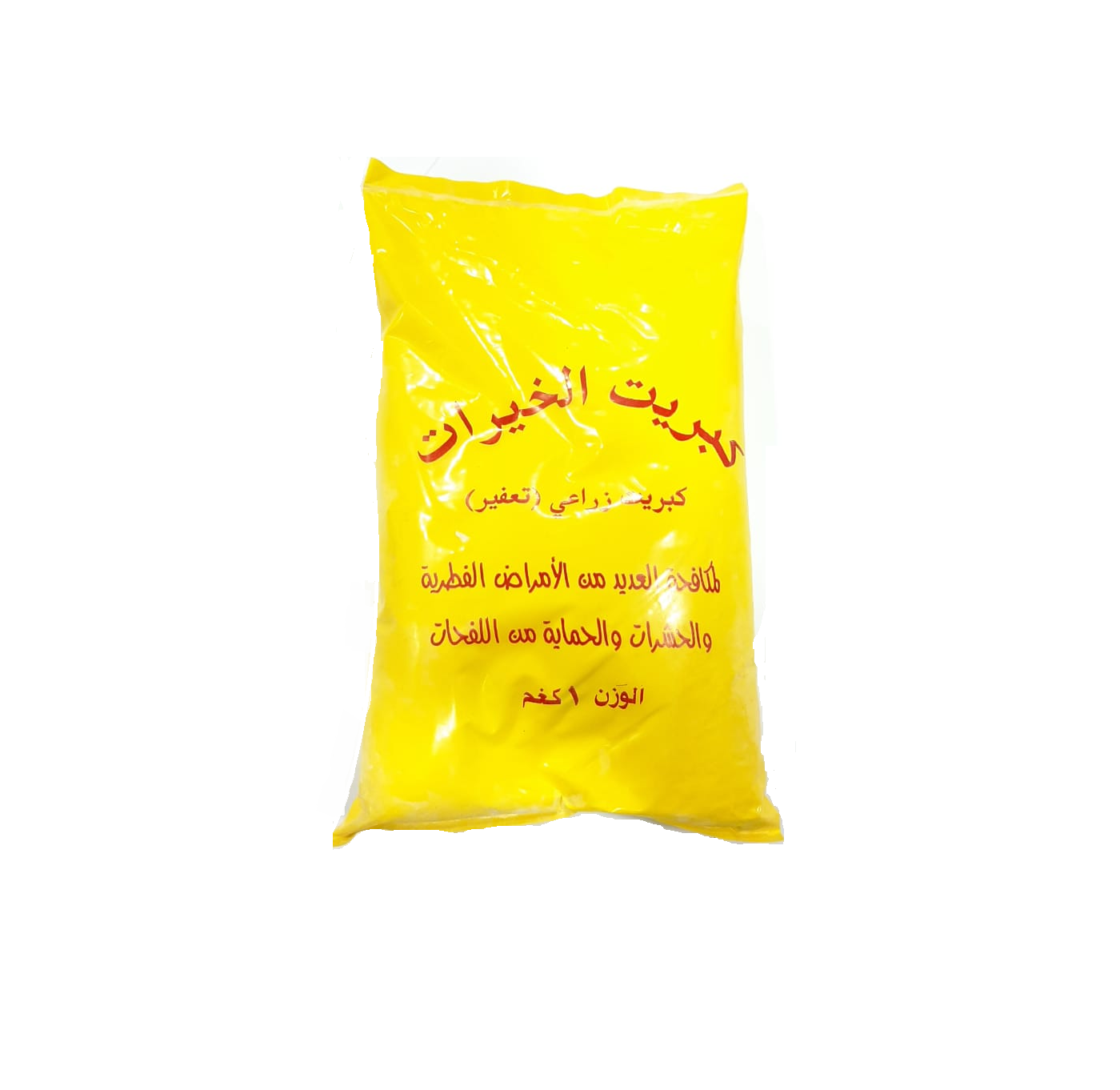
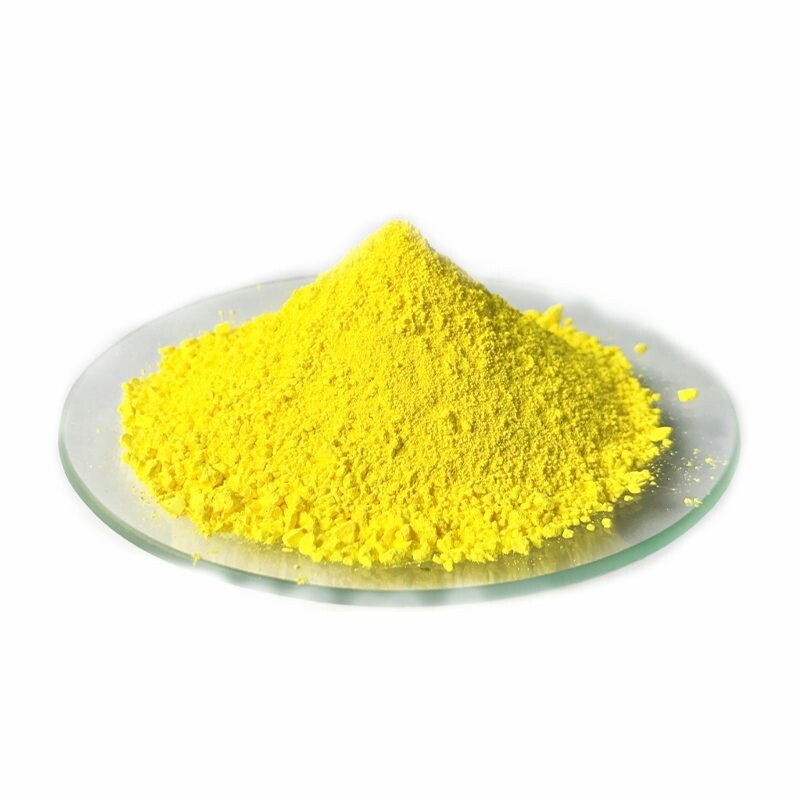
Agricultural Sulphur Powder for Dusting and Fungal Control
- Regular price
- 1.500 JOD
- Regular price
-
- Sale price
- 1.500 JOD
- Unit price
- per
Notify me when this product is available
Enter your email address and we will contact you when the product is available again.
1.500 JOD
Product technical information
Read the instructions and precautions before use.
Product description
Agricultural Sulphur for Dusting
Agricultural sulphur acts as an insect repellent and fungicide, with additional benefits for plants. Insect infestations become more common when temperatures fall into the 25–35°C range, making sulphur dusting useful at this time.
Sulphur is useful against soil-borne fungal diseases and contributes to amino acid formation within plants. Legumes such as broad beans, beans and peas develop root nodules containing bacteria that fix atmospheric nitrogen in the soil, making nitrogen available to the plant.
Sulphur is an essential plant nutrient involved in the formation of cysteine, cystine and methionine, as well as vitamin B. It also plays a major role in plant respiration and in the volatile compounds responsible for the distinctive flavour and aroma of vegetables such as onions, garlic, cabbage and cauliflower.
Fungal and Insect Control
When applied as a dust, sulphur is used against powdery mildew and early or late blight. It may be applied manually or with dusting equipment, after spraying a systemic fungicide.
Micronised sulphur, sprayed onto plants, is also used preventively against these diseases and downy mildew. Raw or micronised agricultural sulphur repels chewing pests, including various caterpillars, and sucking pests such as whiteflies, gnats, aphids and thrips.
Sulphur is a non-systemic fungicide that does not move within the plant sap. Dusting regularly harvested crops such as cucumbers, courgettes, tomatoes, peas and beans is considered harmless when the produce is washed thoroughly before consumption. Sulphur dusting is widely used on export vegetables and fruit, including peaches and grapes, during the month before harvest when pesticide spraying is restricted.
Soil Improvement
Sulphur helps reduce soil alkalinity, particularly in soils with high levels of lime, calcium carbonate or sodium carbonate. It can be incorporated with base fertilisation before cultivation or applied to the soil surface around growing plants.
Application is preferably carried out after cultivation, levelling and bed preparation, at the following rates:
- Legume and root crops: 200 kg per dunum.
- Cereal crops: 100 kg per dunum.
- Fruiting vegetables: 150 kg per dunum.
- Leafy vegetables and medicinal or aromatic crops: 100 kg per dunum.
- Fruit trees: 0.5 kg per tree.
Complete your solution
Complementary products to help you put your solution into practice.